Permissionless Do-Over
It’s been nearly seven years since cancer surgery. I try not to think about that number too much. It only leads to ruminating over how things could have been different; and there’s no reason to stay in a loop when there’s an exit. My condition is stable now: I can step into the future. The problem is, I can’t seem to move.
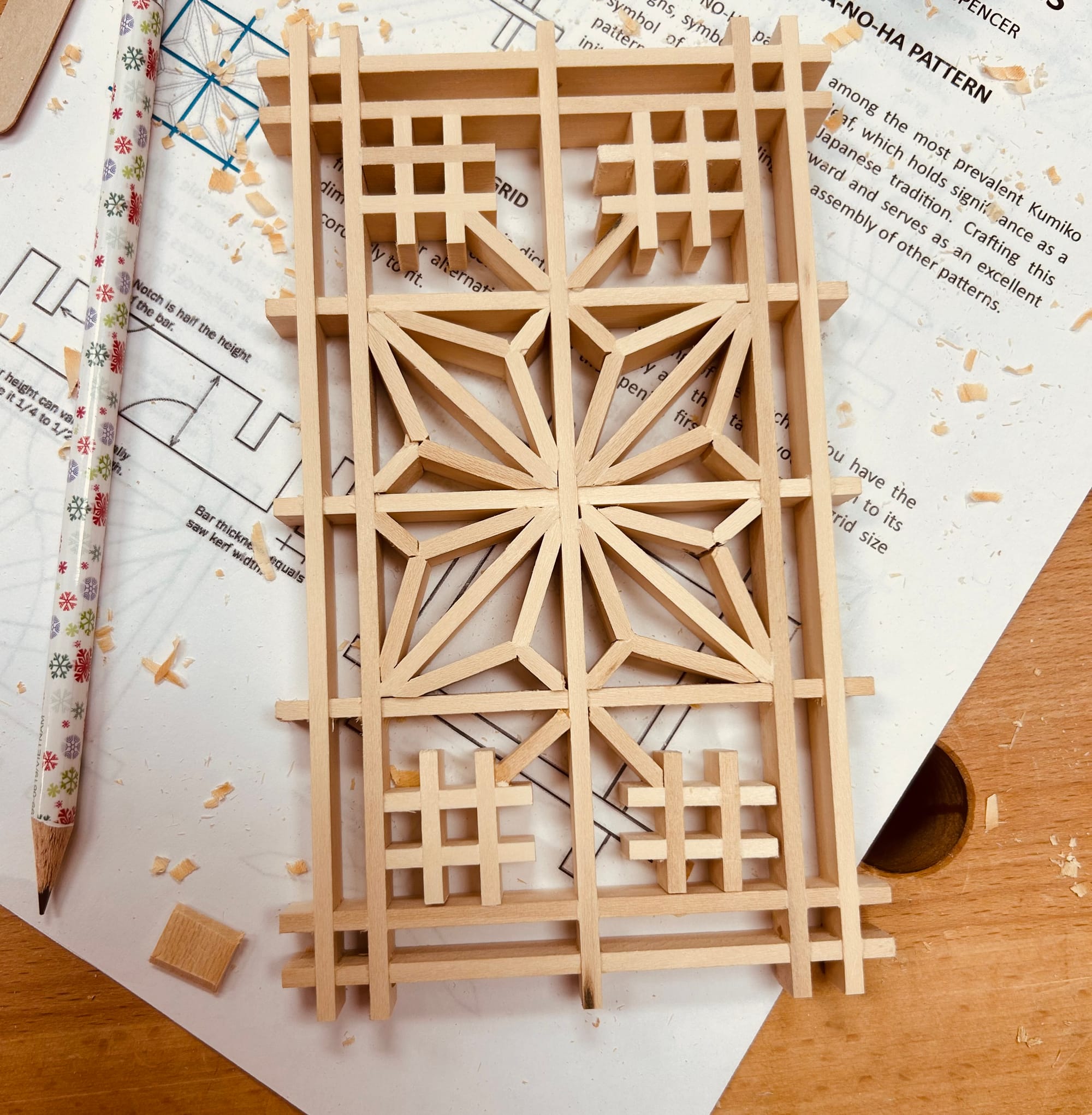
At first, I thought it was just a matter of re-learning action, of training my body into accepting that it’s healthy enough again to step off the brake and hit the accelerator. So, I picked work that was physical, social, local, and fast-paced, traded online communities for offline ones, started running long-distance again, and committed to learning a new craft at a local business every 3-4 months in 2026.
My options are clear enough. I can take the path not taken, the path that’s brought the most peace during recovery, or the path that would empower me to tackle the problems I faced along the way. All of those paths involve getting more education and, in the meantime, finding work to test and refine my goals.
And that’s when I hit a wall. Every new beginning — every formal education program or “real” job I find — requires a story; and I have no desire to provide one. After five years of self-directed projects and hundreds of thousands of words of writing, I want a fresh start — to throw off the past entirely and start from now, with no explanation required. I want to exit my own story, not turn it into a personal statement, a resume, or a portfolio.
That's why, when it came time to re-enter the world, I chose to work in a coffeeshop, despite having amassed knowledge, skills, and networks that could translate into a better position: no one cares about my past or future there. It’s a permissionless way to move forward. I didn’t need experience or evidence of talent to begin. All I had to do was show up and be trainable.
Which makes me wonder: Why can’t all career changes be like that? Why does the personal statement, the resume, the portfolio, and the interview all begin in the past tense? Why does changing directions in life so often feel like preparing for court?
Of course, there are many reasons, many of which are sensible and good. But still: I would have moved on a long time ago, if it had been easier to take a step.